


Top rated products


VULASTIK L 1611 / 161X Compatible Rubber Element

VULKAN VULASTIK L 2211 Compatible Rubber Coupling
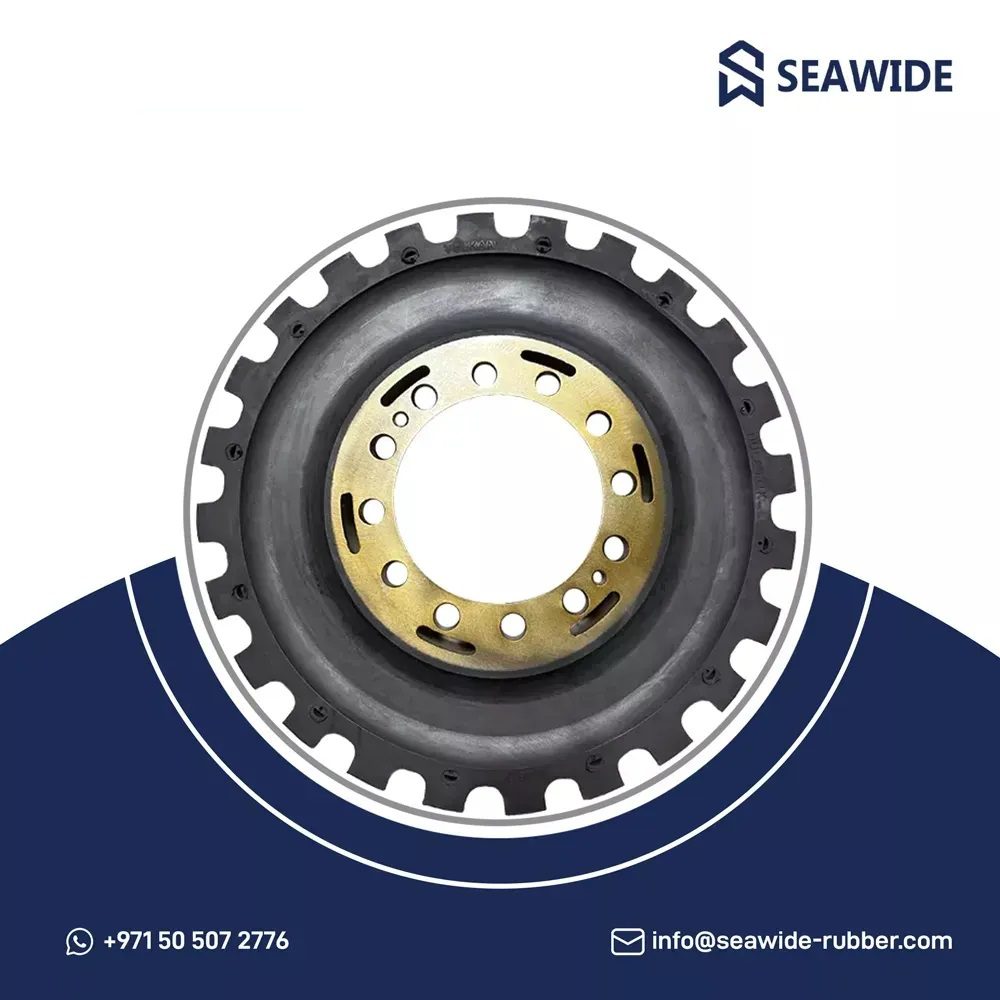
VULKAN VULASTIK L 2X1911 Compatible Rubber Coupling
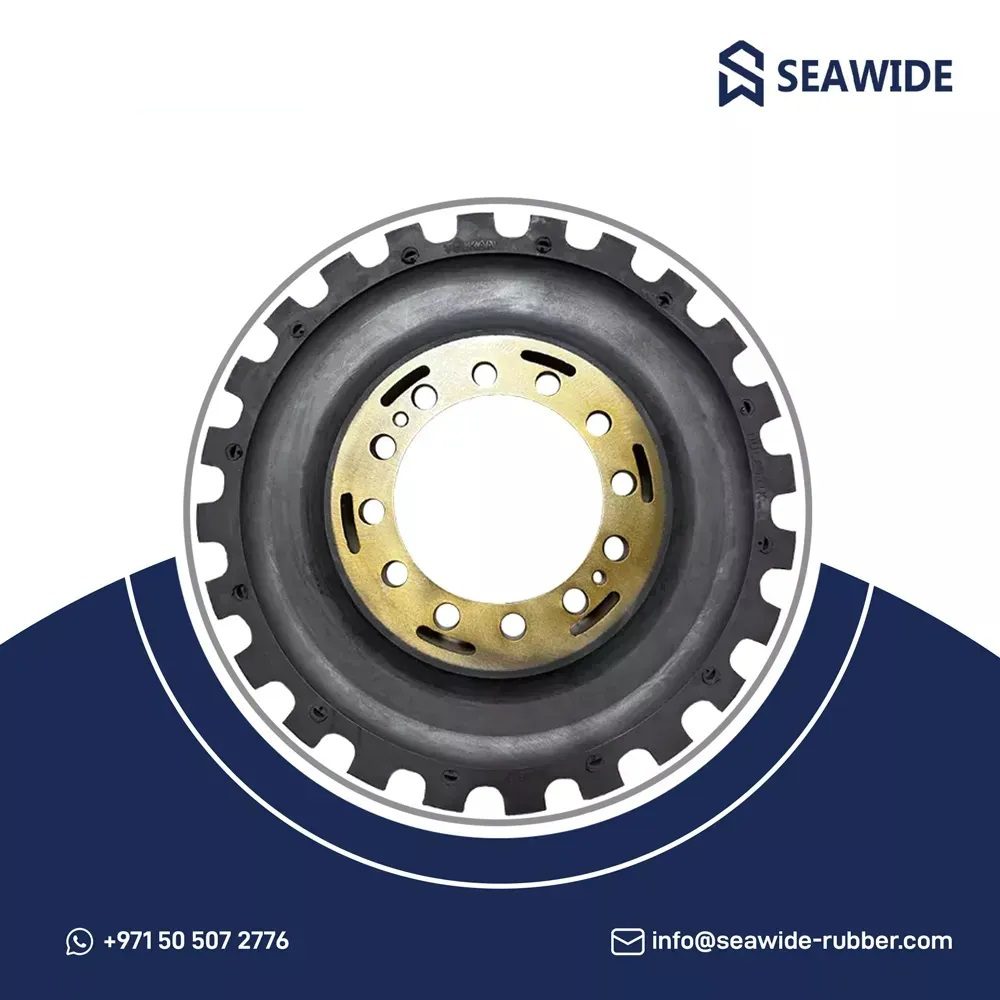

VULKAN Vulastik L 2X2611 Compatible Coupling
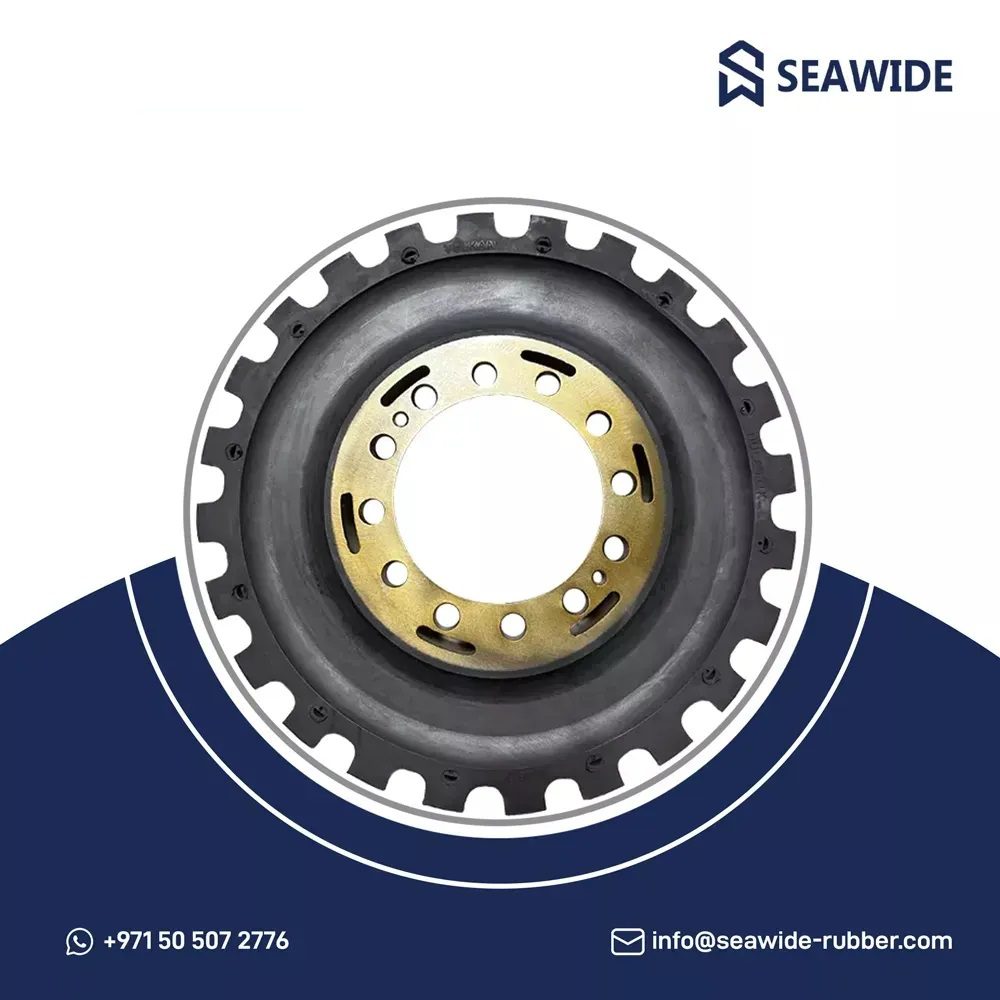
VULKAN Vulastik L 2X2611 Compatible Rubber Coupling
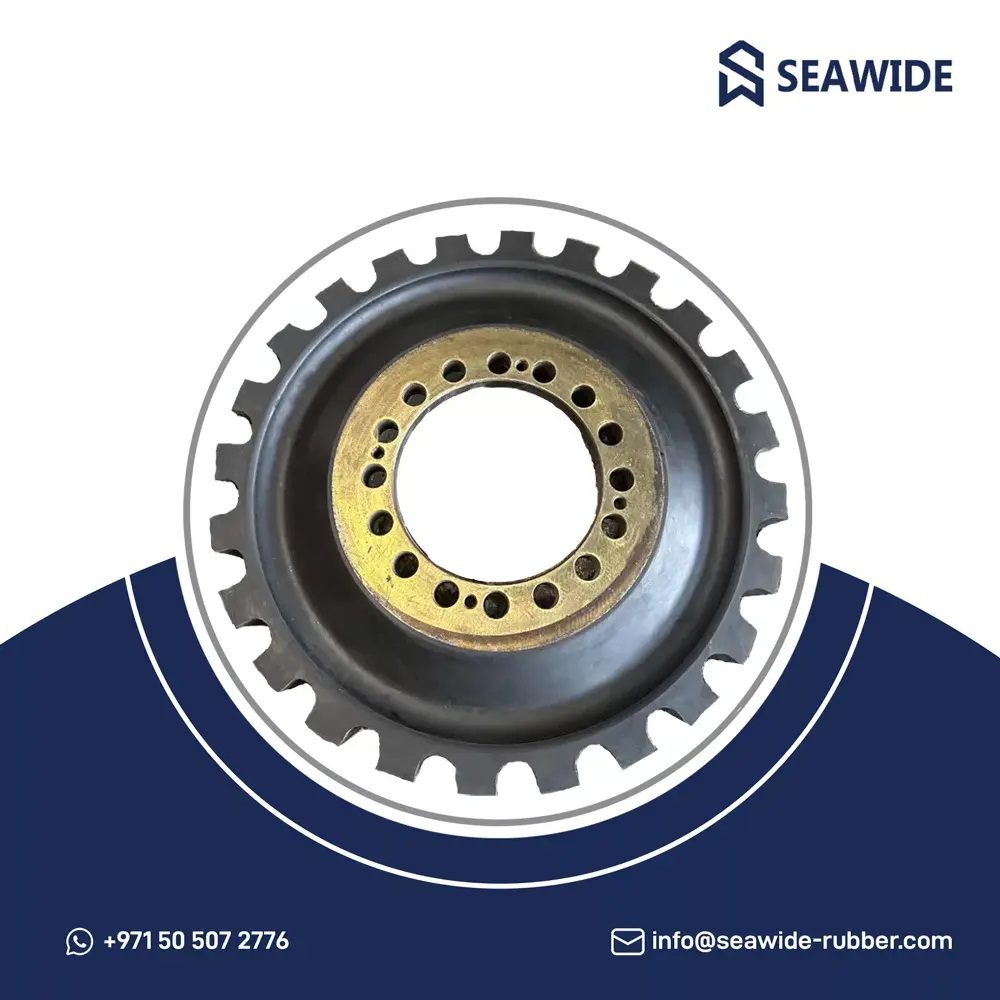
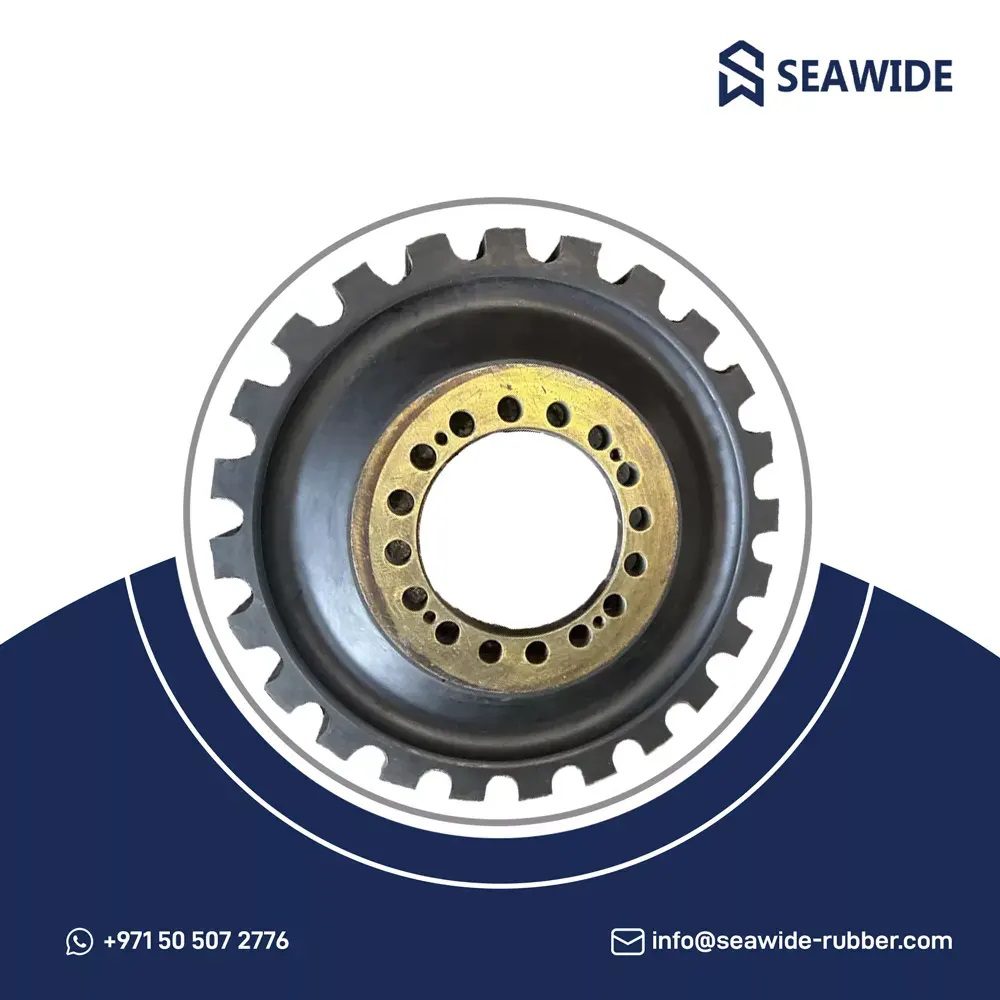
VULKAN VULASTIK L 2X3012 Compatible Rubber Coupling

VULKAN VULASTIK L 2X3013 Compatible Rubber Coupling

VULKAN VULASTIK L 2X3408 Compatible Rubber Coupling


VULKAN VULASTIK L 4311 Compatible Rubber Coupling
VULASTIK L Compatible Flexible Couplings
Technical Guide, Selection Support & Global Supply
Industrial power transmission systems, marine auxiliary drives, diesel generator sets, pumps, and compressor packages require a reliable balance of torque transmission, torsional flexibility, and vibration damping. In engine-driven systems, torsional oscillation and shaft misalignment can reduce equipment life, increase bearing loads, and lead to unplanned downtime.
VULASTIK L compatible flexible couplings are widely used in applications where high torsional elasticity, shock absorption, and multi-axis misalignment capability are required. These coupling solutions help reduce the transmission of harmful vibration, protect adjacent drivetrain components, and support more stable operation in demanding industrial and marine environments.
Seawide supplies aftermarket parts and replacement solutions compatible with VULKAN VULASTIK L coupling applications, supporting customers worldwide with technical assistance, model cross-reference help, and fast dispatch from Dubai.

VULASTIK L Compatible Flexible Couplings
What Is a VULASTIK L Compatible Coupling?
A VULASTIK L compatible coupling is a highly flexible elastomeric coupling designed for use in installations where torsional damping and shaft displacement compensation are critical. It is typically used between a prime mover and driven equipment such as:
- Diesel engines and alternators
- Marine auxiliary engines and gear-driven systems
- Industrial pumps
- Compressors
- Fans and blowers
Unlike rigid couplings, elastomeric designs use a flexible rubber element to transmit torque while helping absorb dynamic loads and accommodate limited shaft movement.
Main Functional Roles
A coupling of this type is generally selected to perform several tasks at the same time:
- Transmit torque reliably
- Reduce torsional vibration
- Absorb shock loads
- Accommodate axial, radial, and angular misalignment
- Help reduce structure-borne vibration and noise
For engine-driven systems, these functions are especially important because combustion-driven torque is naturally pulsating rather than perfectly smooth.
How the Coupling Works
In a typical arrangement, torque passes from the driving shaft through a metallic hub into the elastomeric element, then into the driven side.
Typical drivetrain arrangement:
Prime Mover / Engine -> Hub -> Elastomer Element -> Driven Equipment
The elastomer element acts as the functional center of the assembly. Its geometry and material properties influence:
- torsional stiffness
- damping behavior
- allowable displacement
- thermal resistance
- service life under dynamic load
This is why coupling selection should never be based on size alone. Correct sizing depends on both mechanical fit and operating behavior.
Structural Design Features
Elastomeric Disc Element
The core of the coupling is the flexible elastomer element. Its profile is designed to distribute stress as evenly as possible during operation. A properly selected element can help reduce localized stress concentration, improve damping performance, and support longer service life under cyclic load.
Depending on the operating environment, the element may be selected in different material options, typically including:
- Natural rubber compounds for standard industrial duty
- Silicone-based compounds for high-temperature or harsher thermal environments
Material selection should always consider temperature, load pattern, oil exposure, and surrounding operating conditions.
Axial Plug-In Design
One of the practical advantages of VULASTIK L-type couplings is the axial plug-in arrangement. In many installations, this allows easier assembly and replacement without major horizontal movement of the connected equipment.
This can be especially useful in:
- compact genset packages
- marine engine rooms
- skid-mounted industrial systems
- maintenance situations with limited working clearance
Supporting and Reinforcing Elements
In larger sizes or heavier-duty configurations, additional reinforcing features may be used to help maintain dimensional stability under high torque and rotational speed. These design characteristics support secure engagement and reduce the risk of element deformation under severe duty.
Key Engineering Benefits
1. Torsional Vibration Damping
Reciprocating engines generate cyclic torque pulses. If these pulses excite the natural frequency of the drivetrain, torsional resonance can develop. This may increase stress on shafts, couplings, gearboxes, and bearings.
A properly selected VULASTIK L compatible coupling helps reduce this risk by adding torsional flexibility and damping to the system.
2. Misalignment Accommodation
In real installations, shafts rarely remain in perfect alignment throughout service life. Thermal growth, structural movement, vessel flexing, and installation tolerances can all create shaft displacement.
These couplings are used to accommodate limited:
- Axial displacement
- Radial offset
- Angular misalignment
However, they should not be treated as a substitute for correct shaft alignment. Excessive misalignment will shorten elastomer life.
3. Shock Load Absorption
Engine startup, load rejection, compressor pulsation, hydraulic events, and abrupt operating changes can all introduce peak torque events into the drive train. Elastomeric couplings help absorb a portion of these load spikes and reduce the transfer of harsh mechanical shock.
4. Reduced Reaction Forces on Connected Equipment
Because the elastomer can deform under controlled load, it helps reduce the direct transfer of certain reaction forces into shafts, bearings, and seals. This can contribute to better mechanical reliability when the coupling is correctly selected and installed.
5. Noise and Vibration Control
Elastomeric couplings can also help reduce structure-borne vibration and mechanical noise transmission, which is valuable in enclosed machinery rooms, marine systems, and industrial production facilities.
Typical Applications
Marine Auxiliary and Propulsion-Related Systems
These couplings are commonly used in marine support systems where engines drive alternators, pumps, compressors, or other rotating machinery. In vessel environments, vibration control and accommodation of structural movement are especially important.
Diesel and Gas Generator Sets
Generator sets depend on stable torque transmission between engine and alternator. A flexible coupling helps reduce vibration transfer and supports more reliable performance in prime and standby power applications.
Common engine platforms in these applications may include:
- Cummins
- MTU
- Caterpillar
- Perkins
- MAN
- Volvo Penta
- Scania
Industrial Pumps and Pump Skids
In pumping systems, coupling performance is important during startup, pressure fluctuation, and continuous-duty operation. Flexible couplings are often selected to reduce stress from transient events and ongoing vibration.
Compressors, Fans, and Blowers
In compressor and blower packages, damping and misalignment tolerance can improve reliability and reduce vibration-related wear across the drivetrain and support frame.
Common VULASTIK L Compatible Sizes and Variants
Seawide supports a range of VULASTIK L compatible coupling sizes and replacement elements for industrial and marine applications. Common references may include:
- 1611
- 161X
- 2211
- 2X1911
- 2X2611
- 2X3011
- 2X3012
- 2X3013
- 4311
- 2X4312
Model references should always be verified against the exact machinery configuration, hub design, shaft dimensions, temperature conditions, and application duty.
Typical Variant Notes
| Model Reference | General Use Profile |
|---|---|
| 1611 / 161X | Mid-range industrial and compact generator applications |
| 2211 | Increased torque handling for heavier duty systems |
| 2X1911 | Applications requiring enhanced flexibility or special dynamic behavior |
| 2X2611 | Common heavy-duty industrial and marine auxiliary use |
| 2X3011 / 3012 / 3013 | Higher torque class for demanding installations |
| 4311 / 2X4312 | Large-scale industrial or marine applications |
Final model suitability should be confirmed by technical review rather than model number alone.
How to Select the Right Coupling
Correct selection should be based on operating data, not only on visual similarity or previous part markings.
Step 1: Calculate Nominal Torque
The standard nominal torque formula is:
TN=9550×PnT_N = 9550 \times \frac{P}{n}
Where:
- TNT_N = nominal torque in N⋅mN \cdot m
- PP = power in kWkW
- nn = rotational speed in RPMRPM
Step 2: Check Peak and Transient Torque
Nominal torque alone is not enough. Also review:
- startup torque
- transient overload
- blocked-load scenarios
- short-duration peak events
- load fluctuation severity
Step 3: Apply Service Factors
Selection should consider the real operating profile, including:
- engine type
- number of cylinders
- driven machine type
- start/stop frequency
- daily duty cycle
- shock loading severity
For example, a reciprocating diesel engine driving a compressor usually requires more conservative selection than an electric motor driving a fan.
Step 4: Verify Maximum Speed
Every coupling size has speed limitations. Ensure that the selected model is suitable for the system’s maximum operating RPM.
Step 5: Select the Correct Elastomer Material
Material choice depends on operating conditions.
Natural rubber-type compounds are generally preferred for:
- standard industrial ambient conditions
- high damping demand
- normal temperature ranges
Silicone-type compounds may be more suitable for:
- high ambient temperature
- enclosed hot engine rooms
- severe thermal exposure
Step 6: Confirm Mechanical Fit
Always verify:
- hub type
- shaft diameter
- bore size
- keyway dimensions
- flange interface
- axial installation space
- coupling outside diameter
- available maintenance clearance
Step 7: Consider Torsional Analysis Where Required
For critical engine-driven systems, nominal torque calculation alone may not be sufficient. Final selection may require review of:
- engine excitation behavior
- driven inertia
- resonance crossing during startup
- torsional vibration analysis
This is particularly important in high-value generator, compressor, and marine drivetrain applications.
Key Selection Parameters Table
| Parameter | Why It Matters |
|---|---|
| Nominal torque | Base coupling size selection |
| Peak torque | Prevents overload during transient events |
| Maximum speed | Confirms safe RPM capability |
| Torsional stiffness | Affects resonance behavior |
| Radial misalignment | Confirms offset handling capacity |
| Angular misalignment | Important for shaft alignment tolerance |
| Axial displacement | Supports thermal and structural movement |
| Temperature | Influences elastomer material choice |
| Duty cycle | Affects service life and safety margin |
| Bore and hub geometry | Ensures mechanical compatibility |
Hub and Mounting Considerations
Depending on the application, coupling assemblies may require different mounting arrangements. Buyers should confirm:
- bore-and-key hub design
- metric or imperial dimensions
- flywheel-side connection details
- alternator-side shaft fit
- flange compatibility
- spacer or custom hub arrangements if required
This is especially important in generator packages and retrofit projects where legacy equipment dimensions may differ from current standards.
Installation Guidelines
Correct installation has a major effect on service life.
Installation Best Practices
- Clean all shaft ends, bores, and keyways before assembly
- Check for burrs, corrosion, or damage
- Use the correct tightening torque on all fasteners
- Verify shaft alignment using suitable tools
- Make sure the elastomer element is not forced into position
- Confirm axial installation space before final tightening
Important Note
Flexible couplings are designed to accommodate limited operational misalignment. They are not intended to compensate for poor installation practice or excessive shaft offset.
Maintenance Recommendations
Although flexible elastomeric couplings are generally low-maintenance, regular inspection is still essential.
Recommended Inspection Points
- cracks in elastomer surfaces
- hardening or brittleness
- deformation of the flexible element
- abnormal heat generation
- loose fasteners
- unusual vibration or noise
- visible wear at contact areas
Typical Causes of Premature Failure
- excessive misalignment
- overload or repeated shock loading
- overspeed
- incorrect elastomer material selection
- oil or chemical exposure
- high ambient temperature
- poor storage conditions
- improper installation
Maintenance Planning
Inspection intervals should be based on:
- operating hours
- temperature
- load severity
- startup frequency
- application criticality
In critical-duty applications, planned replacement of the elastomer element may be included as part of the preventive maintenance strategy.
Storage and Handling Recommendations
For spare coupling elements kept in stock, proper storage matters. Elastomer parts should generally be stored:
- in a cool, dry environment
- away from direct sunlight
- away from ozone-generating equipment
- away from strong chemicals
- without compression or distortion
- in suitable protective packaging
Poor storage can reduce elastomer performance before installation.
Information Needed for Fast Quotation
To help identify the correct VULASTIK L compatible coupling or replacement element, it is best to provide:
- existing model number
- coupling size reference
- engine make and model
- power and RPM
- driven equipment type
- shaft diameter
- bore and keyway details
- photos of the old coupling
- application type
- operating temperature if known
This helps avoid selection delays and reduces the risk of ordering the wrong part.
Why Buyers Choose Seawide
Seawide supports industrial and marine customers with:
- technical assistance for model cross-reference
- support for replacement part identification
- fast response for urgent requirements
- international supply from Dubai
- assistance for generators, compressors, pumps, and marine drive applications
For procurement teams, maintenance managers, and technical buyers, speed of response and correct part identification are often just as important as price.
